

Project Marinus has moved into a broader construction phase across Tasmania and Victoria, marking a major delivery milestone for the 750MW electricity connection and associated transmission upgrades.
Government, business and community leaders gathered in North West Tasmania on 2 October for a sod-turning ceremony as work accelerates on both Marinus Link and TasNetworks’ North West Transmission Developments.
The project will create a new two-way electricity connection between Tasmania and Victoria, allowing renewable generation and hydroelectricity to move across Bass Strait in response to market and system needs. The Federal Government says the combined program will provide 750MW of transfer capacity — equivalent to the power needs of around 750,000 homes — and support about 2,400 jobs across Tasmania and Victoria.
Transmission works are already under way
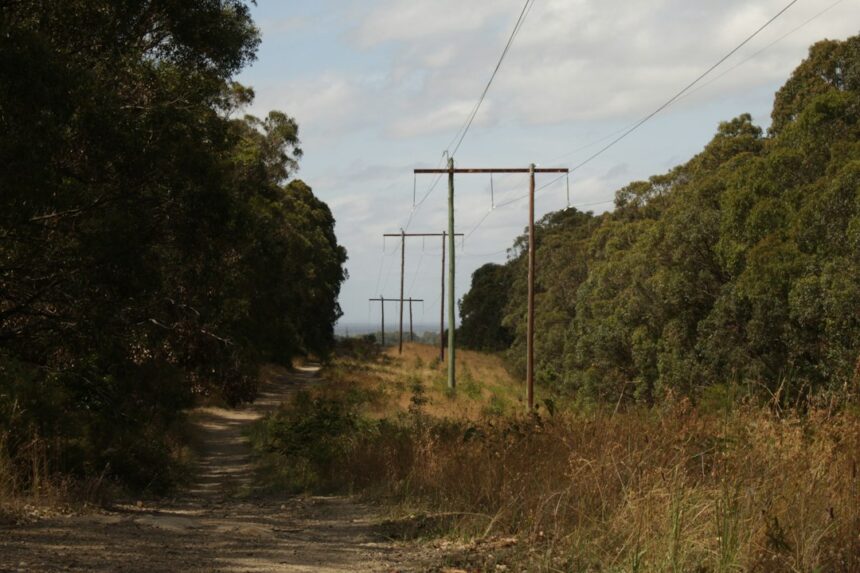
Construction has started on the North West Transmission Developments between Sheffield and Burnie, including access tracks, fencing, tower foundations and works at the Sheffield Substation. Stage 1 of that program covers about 130 kilometres and is scheduled to enter service by 2030.
Marinus Link says 119 businesses and suppliers have already been engaged across Project Marinus, including 59 from northern and north-western Tasmania. That local procurement footprint is becoming an increasingly important part of the project’s economic impact as major civil, electrical and specialist packages move into delivery.
Activity on the interconnector itself is also expected to accelerate into 2027. Cable and converter manufacturing and construction will expand around the Heybridge and Hazelwood North converter stations, the Sandy Point shore crossing, the Mardan site compound and locations along the roughly 90-kilometre underground cable route through Gippsland.
A critical piece of the east-coast grid build
The commercial significance of Marinus extends beyond the physical interconnector. Tasmania will be able to import lower-cost mainland solar and wind generation when supply is abundant, conserving water in hydro storages, and export renewable electricity when mainland demand is higher.
That flexibility is intended to improve reliability as ageing coal-fired generation retires and more variable renewable generation enters the National Electricity Market.
The construction ramp also reinforces the shift BWA has been tracking from clean-energy announcements to execution. Our recent analysis of Australia’s clean-energy project pipeline highlighted financing, grid integration and construction capacity as the next major tests for the transition.
Source notes: Marinus Link, 2 October 2026; Federal Minister for Climate Change and Energy, 2 October 2026.