
Glencore has begun trading on the Australian Securities Exchange under the code GLC, adding one of the world’s largest diversified resources groups to the local market without raising new capital.
The 14 October debut is a secondary foreign-exempt listing. Each Australian CHESS Depositary Interest represents a beneficial interest in one Glencore ordinary share, while the company retains its primary London listing and its existing Johannesburg secondary listing.
The structure gives Australian investors a locally traded instrument for a group with a large domestic operating base. It also brings Glencore into closer view for Australian funds whose mandates or systems favour ASX-listed securities.
A global group with a large Australian supply chain
Glencore says it employs 16,820 people and contractors across 16 active Australian mining operations and seven metals-processing facilities. Its local portfolio spans coal, zinc, nickel, cobalt, lead and silver, alongside processing assets in Queensland, Western Australia and the Northern Territory.
In 2025 the company reports spending A$19.3 billion operating in Australia. That included A$14.21 billion with 6,440 businesses and A$2.4 billion in taxes and royalties to Australian governments.
Those figures put the listing’s Australian significance beyond share trading. Glencore is a large buyer of equipment, maintenance, transport, energy, professional services and regional contracting capacity. The company also markets commodities and imports liquid fuels, including diesel.
Local access does not change the underlying company
The listing does not issue new shares and does not itself fund a new mine or processing project. Australian CDIs track the same underlying Glencore equity, leaving investors exposed to the group’s global commodity mix, marketing business, capital allocation and regulatory risks.
Glencore’s Australian footprint is also weighted toward commodities carrying different market and policy exposures. Copper and other transition materials benefit from electrification and grid investment, while coal remains important to cash generation and attracts heightened climate, approval and financing scrutiny.
That mix is central to the investment case. The group argues that brownfield copper projects can lift its production position while bulk commodities and marketing continue to generate cash. Australian investors will need to judge the portfolio as a whole rather than treating the ASX code as a purely domestic resources exposure.
The market test shifts to liquidity and ownership
The next measure of the listing will be trading depth and the extent to which Australian institutions build positions. Greater local liquidity could narrow practical barriers for superannuation funds and retail investors, but index eligibility and sustained demand depend on market rules and trading outcomes rather than the company’s ambition alone.
For Glencore’s Australian suppliers and host regions, the listing does not immediately alter procurement or operations. It does, however, increase local scrutiny of investment, closure obligations, tax payments and capital priorities across a business that says it has contributed A$95 billion directly to the Australian economy over five years.
The first-day milestone is therefore less about fresh funding than investor access. The longer-term commercial question is whether an Australian register deepens ownership of a company already embedded in the country’s resources and industrial economy.
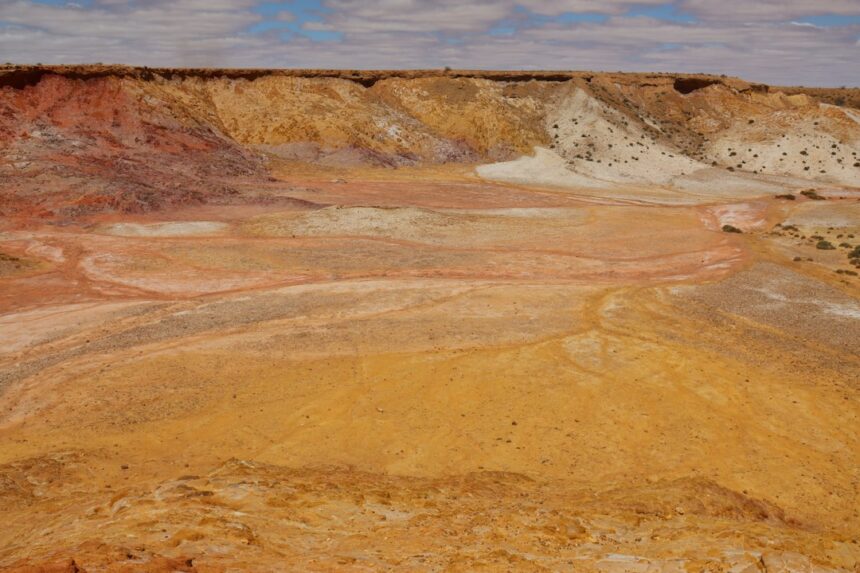
Sources: Glencore, ASX trading announcement, 14 October 2026; Glencore ASX listing compendium. Featured image: Michael SKOPAL / Unsplash; illustrative Australian resources landscape.