
Rio Tinto increased Pilbara iron ore sales by 4 per cent over the first nine months of 2026, keeping full-year guidance unchanged as stronger output and project execution offset continuing approval and operating constraints.
The group reported Pilbara sales of 85.7 million tonnes in the September quarter, up 2 per cent from a year earlier and flat against the June quarter. Nine-month sales reached 243.3 million tonnes, 4 per cent above the comparable 2025 period.
Pilbara production was 83.4 million tonnes for the quarter, down 1 per cent year on year but unchanged sequentially. Production across the first nine months rose 3 per cent to 245.7 million tonnes.
Guidance stays intact
Rio retained its 2026 Pilbara sales guidance of 323 million to 338 million tonnes. The range remains subject to the timing of approvals for planned mining areas and heritage clearances, making regulatory sequencing as important as mine and rail performance in the final quarter.
The company’s broader iron ore platform also includes the Simandou project in Guinea, which reached an annualised production run-rate of about 10 million tonnes during the quarter. For Australian contractors and suppliers, however, the Pilbara result is the more immediate signal: sustained throughput supports demand across mining, rail, ports, maintenance and consumables.
Stable guidance does not remove execution pressure. Maintaining shipment rates requires coordination across pits, autonomous haulage, processing plants, rail paths and port capacity, while weather and equipment reliability can quickly affect quarterly volumes.
Australian aluminium agreements advance
Rio also said repowering arrangements for its Pacific aluminium smelters were well progressed after power agreements for Tomago in New South Wales and Bell Bay in Tasmania during the quarter.
Those arrangements matter beyond electricity procurement. Smelters anchor regional employment and large supplier networks, while their energy contracts influence emissions exposure, operating costs and the case for future capital spending.
The quarter therefore linked two Australian operating priorities: lifting reliability in the Pilbara and securing long-term power for energy-intensive aluminium assets. Both require infrastructure providers, governments and customers to align around timelines that extend well beyond a single reporting period.
Suppliers should read volume and approvals together
For mining-service businesses, the 4 per cent increase in year-to-date Pilbara sales is a positive activity signal, but it should not be read as a blanket increase across every work package. Rio is pursuing productivity improvements and disciplined portfolio management alongside production growth.
Suppliers with exposure to maintenance, brownfield upgrades, automation and logistics are positioned closest to the operating system the company is trying to improve. Major-project contractors remain more dependent on approval timing, heritage work and the sequencing of replacement mines.
The next milestone is the December-quarter update, which will show whether Rio finishes inside its guidance range and how much of the higher year-to-date run rate carries into 2027 planning. Until then, the company’s Australian iron ore business is producing more over the year while preserving a wide enough range to reflect the approvals still in front of it.
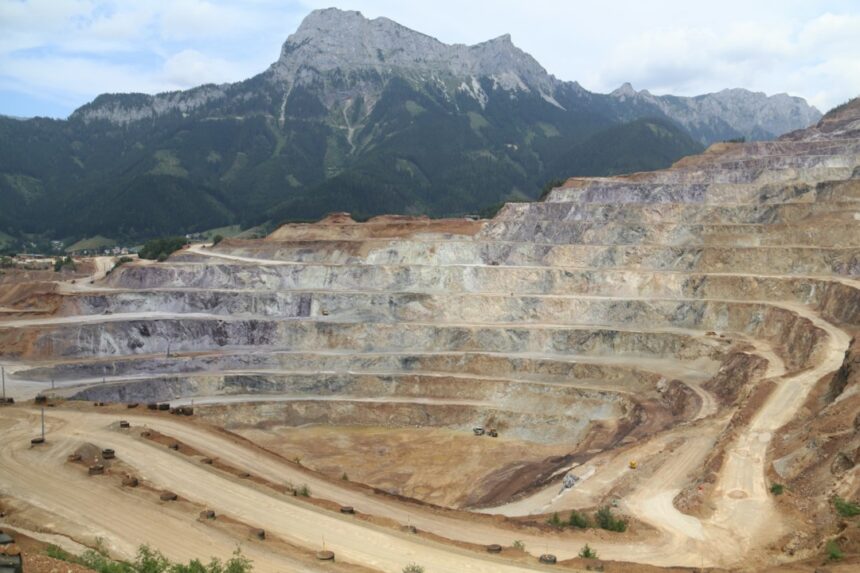
Sources: Rio Tinto third-quarter production results, 14 October 2026; Rio Tinto production reports. Featured image: Chris / Unsplash; illustrative iron ore mine in Austria, not a Rio Tinto Australian operation.