
Commonwealth suppliers are being asked to help shape new workplace standards for Australian Government contracts, with consultation on the draft Secure Australian Jobs Framework open until 21 October.
The government released the draft framework and proposed amendments to the Commonwealth Supplier Code of Conduct on 23 September. The proposals cover secure work, fair wages and conditions, safe and healthy workplaces, gender equality and diversity, and support for local jobs, skills and industry capability.
The framework remains under consultation. Its final requirements and implementation arrangements have not been established in the material reviewed for this edition.
Workplace standards enter the procurement discussion
The Department of Employment and Workplace Relations describes the proposal as a principles-based approach to the government’s expectations for employment and workplace practices in Commonwealth contracts.
For suppliers, the commercial issue is how those expectations will translate into tender assessment and contract performance. Large employers, smaller specialist businesses and organisations using subcontracted delivery may have different workforce arrangements and different systems for demonstrating performance.
The consultation provides an opportunity to identify how evidence requirements would work across those models. Businesses can explain what information they already hold, what additional reporting would require and how an agency could assess the results consistently.
Those details matter because the cost of participating in procurement extends beyond preparing a price. Documentation and reporting requirements can affect bid costs and the resources needed to manage a contract after award.
Implementation will shape the impact on suppliers
A final framework would need to connect its objectives to evidence that suppliers can provide and agencies can assess. Policies, payroll information, training records and safety systems demonstrate different aspects of a workplace, rather than serving as interchangeable measures.
The practical questions include when evidence would be requested, how often it would be updated and how requirements would be matched to the size and scope of a contract.
For smaller businesses, consistency across procurements could be particularly important. Repeated requests for similar information in different forms can add to the cost of bidding and administration.
The draft announcement does not settle every contractual detail. Suppliers should distinguish questions about possible implementation from requirements already applying to a particular tender.
Contract delivery remains central
Workforce commitments made during a bid need to be understood in the context of the work being delivered. A short specialist assignment may support different training and employment opportunities from a long infrastructure programme.
Subcontracted delivery adds another consideration. A head contractor and its partners need a clear understanding of the information each can substantiate and the obligations included in the eventual contract.
The consultation also gives businesses a way to explain the lead times and costs associated with developing local skills and capability. Evidence about actual delivery models can help identify practical implementation issues.
Submissions close at 11:59pm AEDT on 21 October 2026. The immediate task for Commonwealth suppliers is to review the framework and identify where its operation could affect tender participation, reporting and contract management.
The outcome will determine how employment expectations are incorporated into one of Australia’s major purchasing markets.
Sources: Finance: consultation announcement, 23 September 2026; DEWR: consultation and deadline; DEWR Consultation Hub.
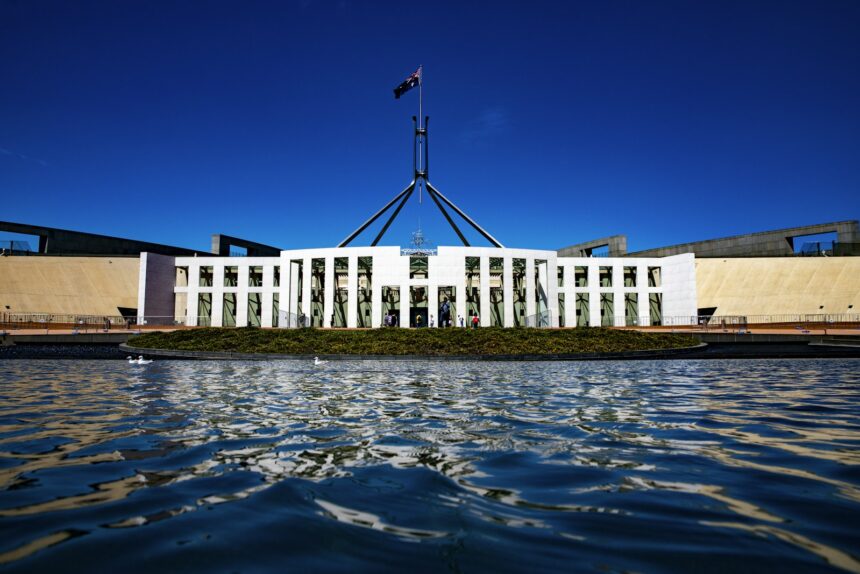
Image: Marcus Reubenstein / Unsplash. Illustrative stock image.