
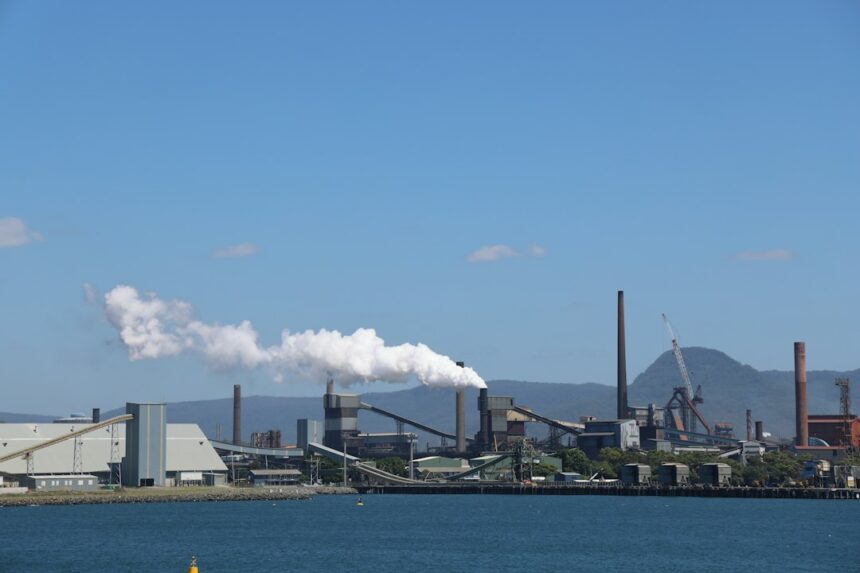
Rio Tinto’s Bell Bay Aluminium smelter in northern Tasmania has secured an operating pathway through to the end of 2031, backed by a new electricity agreement with Hydro Tasmania and a $200 million support package from the Commonwealth and Tasmanian governments.
The package closes a period of uncertainty around one of Tasmania’s largest industrial electricity users and gives the smelter, its workforce and suppliers a five-year runway while the state’s energy system and Bell Bay industrial precinct continue to evolve.
Rio Tinto confirmed on 1 October that Hydro Tasmania will continue supplying electricity to Bell Bay Aluminium until 31 December 2031. Separately, the Australian and Tasmanian governments will provide additional support intended to keep the smelter internationally competitive.
Government support buys time for a strategic industrial asset
The government package totals $200 million over five years and will be split between the Commonwealth and Tasmania. The support is designed to help maintain Australia’s aluminium-production capability while a longer-term industrial strategy for northern Tasmania is developed.
Bell Bay directly employs around 550 people and supports about 1,000 indirect jobs across northern Tasmania. For local contractors and suppliers, the significance of the agreement extends well beyond the smelter payroll: maintenance, logistics, engineering, transport and industrial services around Bell Bay depend on the continued operation of large anchor facilities.
The smelter is also a major consumer of electricity, making its future closely tied to the economics of Tasmania’s renewable-heavy grid. The new power agreement provides more certainty on that relationship at a time when other large loads — including proposed data-centre developments — are also seeking capacity.
A wider question for Australian manufacturing
The Bell Bay decision follows a series of government interventions aimed at retaining energy-intensive industrial capacity in Australia. Aluminium smelting faces global competition from lower-cost jurisdictions, while domestic operators are exposed to high electricity and capital costs.
That creates a policy trade-off. Governments want to retain sovereign manufacturing capability and regional employment, but support packages must also demonstrate that they are buying a credible pathway to long-term competitiveness rather than simply extending an uneconomic status quo.
For Bell Bay, the next five years will therefore matter. The support period creates time to improve competitiveness, align the smelter with Tasmania’s evolving electricity market and position the broader Bell Bay precinct for new industrial investment.
Rio Tinto said the agreements provide increased certainty for its people, suppliers and the northern Tasmanian community. The company will now operate the smelter against a clearer medium-term energy and funding framework than it had only weeks ago.
Sources: Rio Tinto, 1 October 2026; ABC News, 1 October 2026.
Featured image: Michael Skopal / Unsplash.