
Australia is consolidating its trade-remedies system under a single specialist regulator, after Parliament passed legislation transferring safeguard inquiries from the Productivity Commission to the body currently known as the Anti-Dumping Commission.
Under the change announced on 17 September, the Anti-Dumping Commission will be renamed the Australian Trade Remedies Commission and will take responsibility for safeguard inquiries alongside its existing anti-dumping and countervailing work. The practical effect is to bring the main trade-remedy pathways used by Australian industry into one agency.
That matters because safeguard measures are different from conventional anti-dumping action. Anti-dumping investigations examine whether imported goods are being sold in Australia at unfairly low prices, while countervailing action addresses foreign government subsidies. Safeguards can be used when an unforeseen surge in imports causes, or threatens to cause, serious injury to an Australian industry even where the goods themselves are fairly traded.
One specialist body for manufacturers
The Federal Government says the new structure is intended to make the system easier for industry to navigate. Following a government referral, the Australian Trade Remedies Commission will conduct safeguard inquiries and recommend whether temporary safeguard measures should be imposed.
For manufacturers, the administrative change could make it simpler to identify the right pathway when import pressure rises quickly. Instead of safeguard matters being handled by the Productivity Commission while dumping and subsidy cases sit elsewhere, companies and industry groups will deal with one specialist commission across the three areas.
The reform does not mean protection will automatically follow when an industry faces import competition. Safeguards are an exceptional, temporary instrument. A case still needs evidence that increased imports are causing or threatening serious injury, and any recommendation sits within Australia’s domestic legal framework and international trade obligations.
Why downstream businesses will watch closely
The business implications extend beyond the manufacturers that may seek relief. Importers, retailers, construction companies and other downstream users can also be affected if safeguard measures raise the cost or reduce the availability of imported inputs.
That makes the quality and transparency of the new commission’s inquiries important. A stronger or faster remedy process can provide domestic producers with a response to abrupt import shocks, but measures that affect widely used materials can also flow through supply chains. Steel, aluminium, chemicals, processed food, timber and other trade-exposed sectors are among the industries likely to monitor how the new model is used.
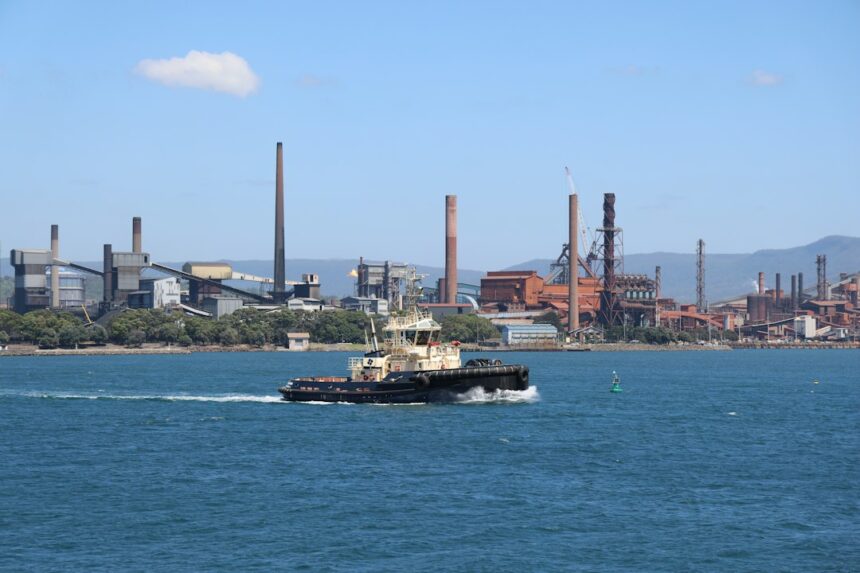
The legislation lands at a time when Australian manufacturing policy is receiving renewed attention across energy-intensive and strategic industries. BWA has recently examined the commercial pressures around Whyalla’s steelworks, where global competition, energy costs and investment requirements illustrate how exposed large industrial assets can be to changes in market conditions.
What business should watch next
The key test will be implementation rather than the name change itself. Businesses will be watching how quickly the Australian Trade Remedies Commission can establish its safeguard capability, what guidance it issues to applicants and interested parties, and which industries become the first to seek a referral under the consolidated model.
For Australian manufacturers, the reform creates a more obvious institutional front door. For importers and downstream customers, it raises the importance of engaging early in inquiries that could affect pricing, sourcing and supply. The commercial impact will ultimately depend on the cases that come before the commission and the evidence supporting them.
Sources: Department of Industry ministerial release, 17 September 2026; Parliament of Australia legislation record.